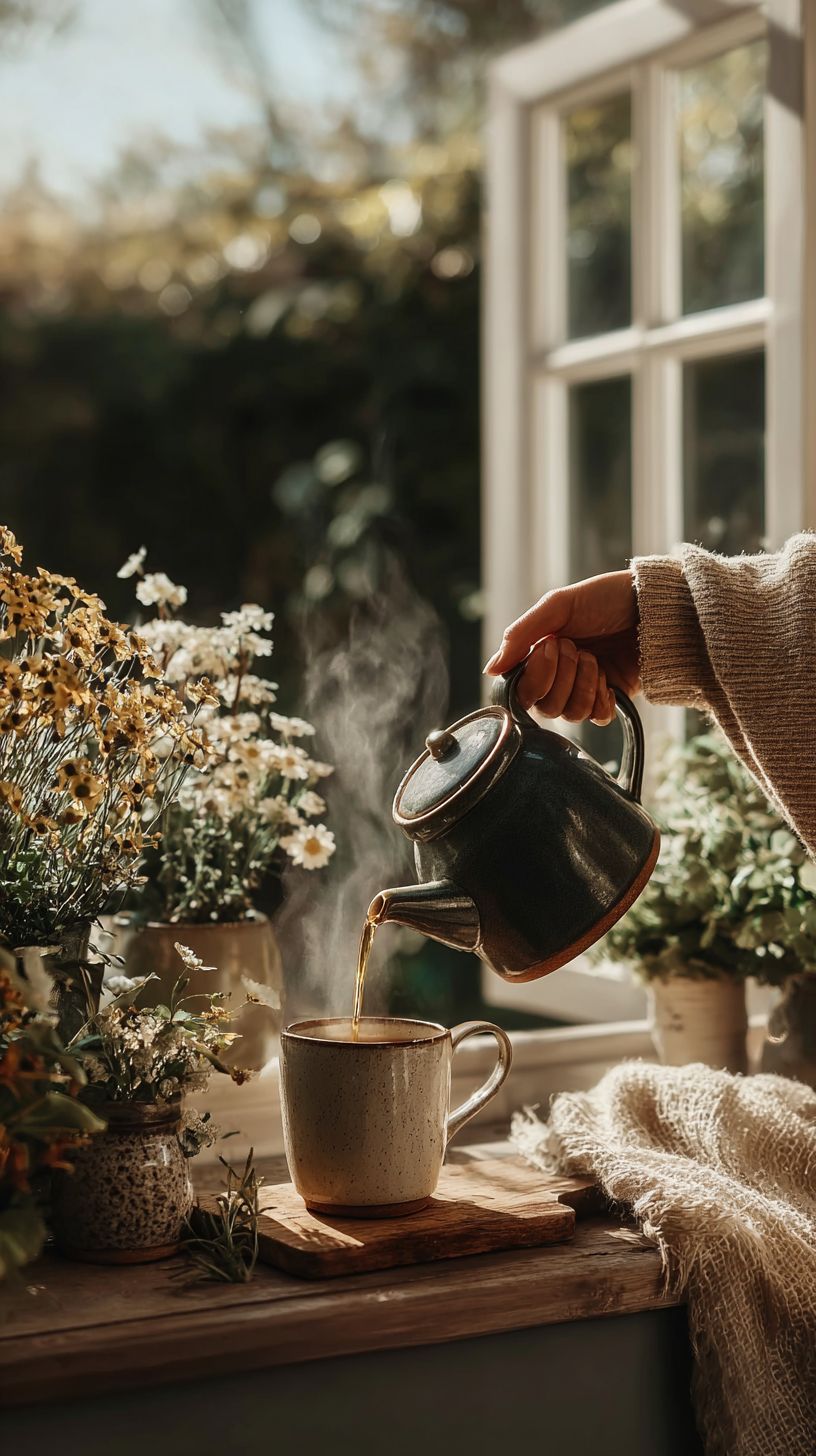
Things I’ve Learned While Drinking Tea
There is something quietly instructional about a cup of tea. The waiting. The warmth. The way it asks you to slow down before it offers anything in return. There’s is always a warm cup of tea at my desk, in my hand or by my bedside table and it has grown to be such a huge part of my identity; that those closest to me now associate teas and I through gifts, random information on the internet and experiences. Over time, I’ve realised teas have been teaching me far more than flavours—they’ve taught me how to move through adulthood with patience, presence, and care. Here are some lessons I’ve learnt from different types of teas!
Waiting Is Part of the Process
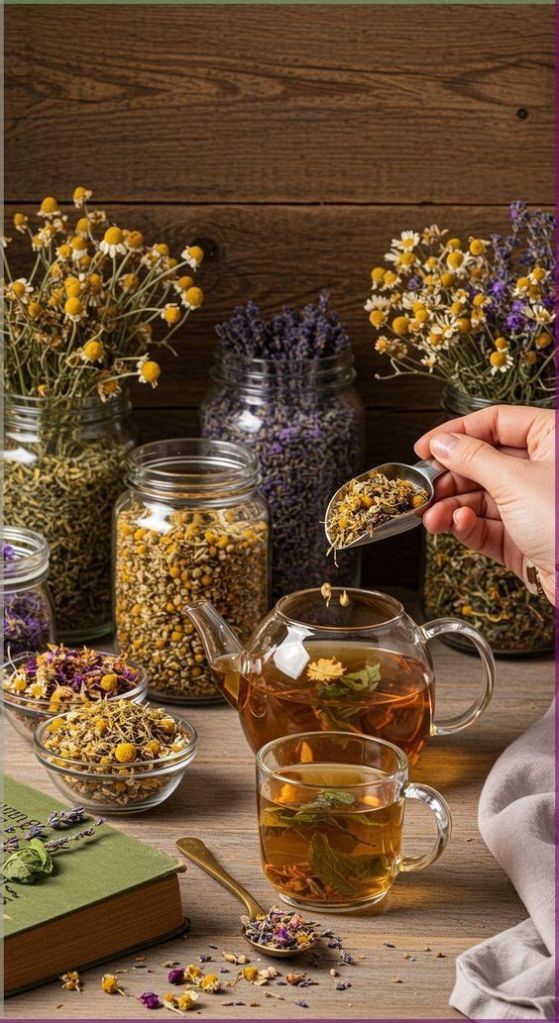
Tea teaches patience before it ever teaches flavour. The leaves need time to open, to release what they’re holding. Rush the process and the cup tastes thin, unfinished. Leave it too long and it hardens into bitterness. There’s a sweet spot you only learn by waiting.
Some junctures of life feel similar: careers still forming, confidence not quite settled, love learning its own language. This is the steeping season—the part no one romanticises, because it doesn’t look like much while it’s happening.
Some things don’t bloom because you pull them out too early.
Tea suggestion: Green tea — light, subtle, and best when not rushed. Known for clarity and gentle energy, it mirrors seasons where growth is quiet but necessary.
Not Every Cup Is for Every Mood
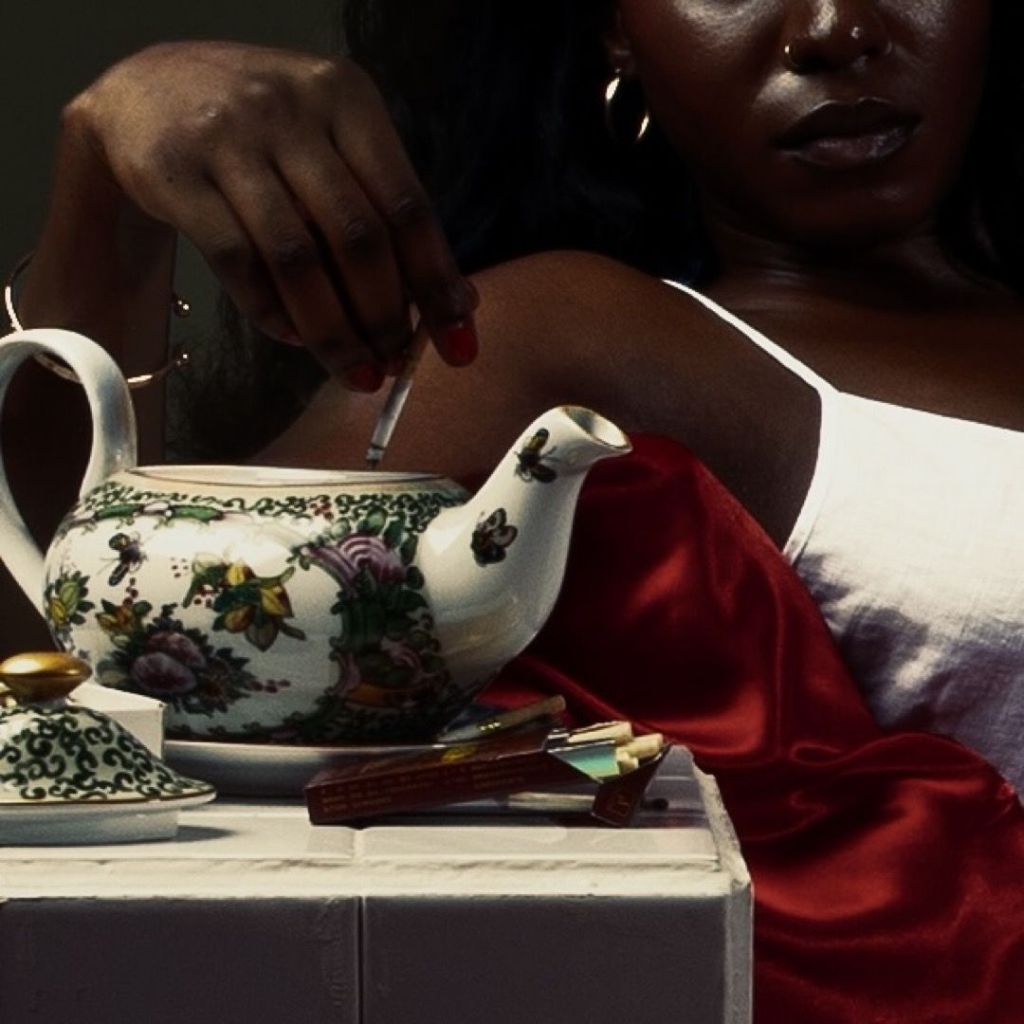
Some mornings need structure; others require softness. Some nights need grounding. Tea meets you where you are, without demanding consistency.
There’s relief in realising you don’t need to show up the same way every day. Ambition and rest can coexist. Strength can look like slowing down. Adulthood isn’t about maintaining one version of yourself it’s about responding honestly to the moment.
Choose what nourishes today, not what looked impressive yesterday.
Tea suggestions:
- Black tea — grounding and energising for focused, high-output days
- Chamomile — calming, ideal for softer days and emotional decompression
- Ginger tea — warming and invigorating when you need courage or momentum
You Learn Your Taste Over Time
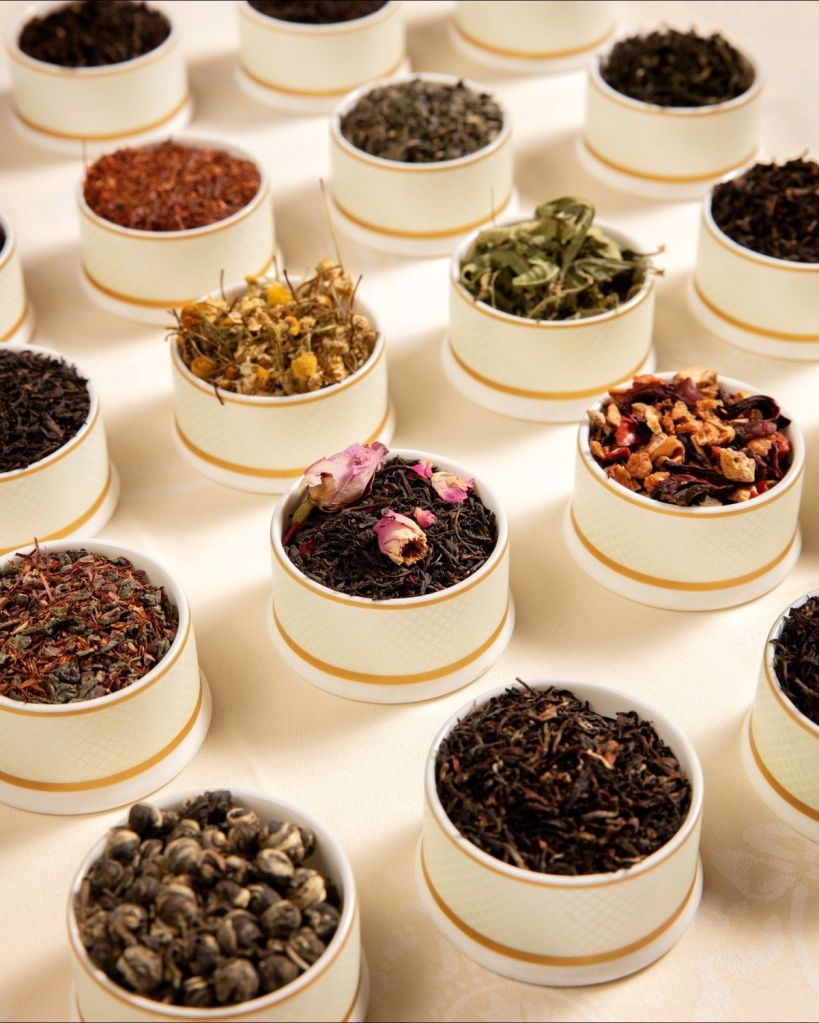
As a Jamaican woman, heavily influenced by the elders in my family, I was surprised as I got older to realise how many people don’t drink tea regularly or dislike it altogether. I’ve come to understand that many simply don’t know their preferences yet, so they dismiss it entirely.
Very few people fall in love with tea immediately. It’s acquired. At first it tastes unfamiliar, even unnecessary. Then one day, you reach for it without thinking.
I’m also a big fan of fashion, and with age my taste has shifted from styles to textures, even colours. I don’t know exactly when I started loving green and pink, but my wardrobe is full of them now. Five years ago, you wouldn’t have caught me choosing either for an event.
That’s how preferences evolve as we navigate adulthood. You grow into what once felt boring. You lose interest in what once felt exciting. You learn which conversations pique your interest, which dreams no longer fit, and which pace finally feels like yours.
Taste is developed, not discovered.
Tea suggestion: Oolong tea — complex and evolving, with layers that unfold slowly. A reminder that depth reveals itself over time.
Sweetness Is a Choice, Not a Requirement
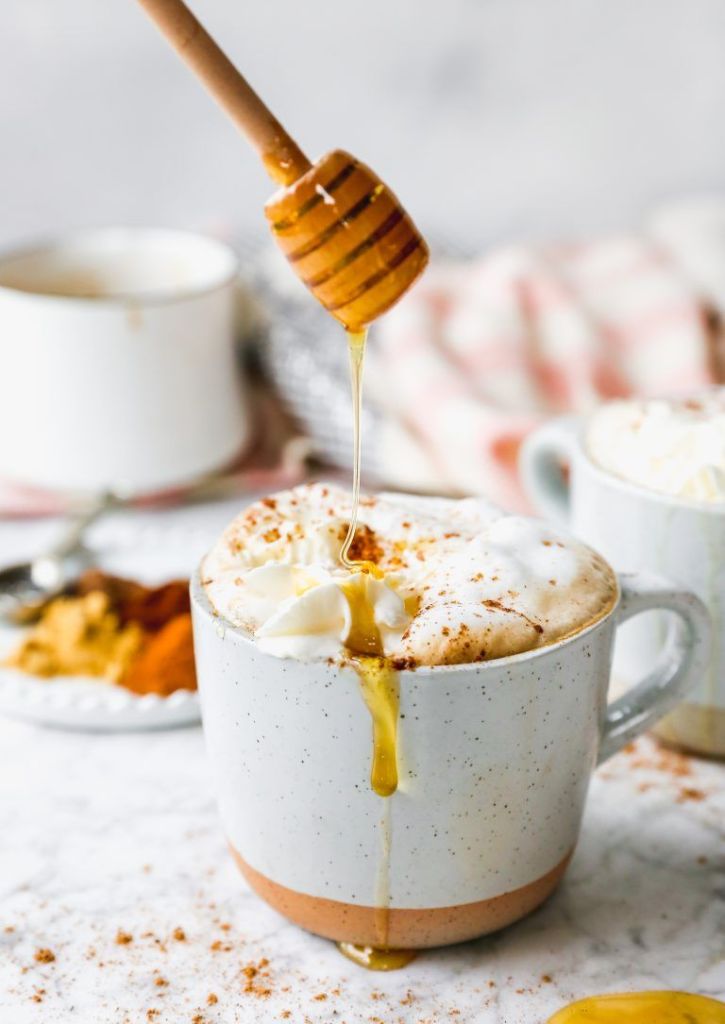
Tea doesn’t require sugar to be valid. Sweetness is an option, not an obligation. So are explanations. So is overextending. So is shrinking to be easier to digest.
There’s power in allowing yourself to be strong-flavoured. In saying no without justification. In letting silence speak when words would only dilute your truth. A tea that’s too sweet loses the integrity of its natural flavours just as we do when we soften ourselves beyond recognition.
Be comfortable being authentic. You owe it to yourself, and to others, to wear your notes your identity, passions, and values clearly on the package.
Tea suggestion: Earl Grey — bold, aromatic, unapologetic. Often enjoyed plain, it stands firmly on its own.
Hot Things Shouldn’t Be Rushed

(This would have been a great moment to make a cheeky hot girl joke- but I wont digress!) Drink tea too quickly and it burns. No matter how good it smells or how eager you are, some things require patience both to savour them and to handle them safely.
The same applies to healing, love, and success. Moving fast feels productive, until it hurts. Some clarity arrives only when you stop chasing it. Some connections deepen when you let them cool into something safe to hold.
Urgency isn’t always ambition. Sometimes it’s fear in disguise.
Tea suggestion: Peppermint tea — soothing and cooling, especially after emotional or mental overwhelm. A reminder to slow your pace before damage sets in.
Sometimes the Warmth Is the Point

Not every cup of tea fixes anything. Some don’t energise, detox, or improve productivity. They simply warm your hands and ask you to stay awhile.
In a culture obsessed with outcomes, choosing comfort can feel indulgent. But rest isn’t a reward it’s a requirement. Some days don’t need solutions. They need softness.
Think about those hangouts with friends, relative, cowokers etc. that may have been considered pointless or spontaneous- there wasn’t any real celebration. Sometimes, the natural reflex may be to turn such invitations down for whatever reason, but still choosing to go. You end the night with a subtle feeling of gratitude for time spent and community even if those hours together didn’t necessarily fix other issues in your life.
Not every cup is medicine. Some are simply permission.
Tea suggestion: Rooibos — naturally caffeine-free, rich, and grounding. A comfort tea for moments that need holding, not fixing.
You Can’t Pour from an Empty Kettle
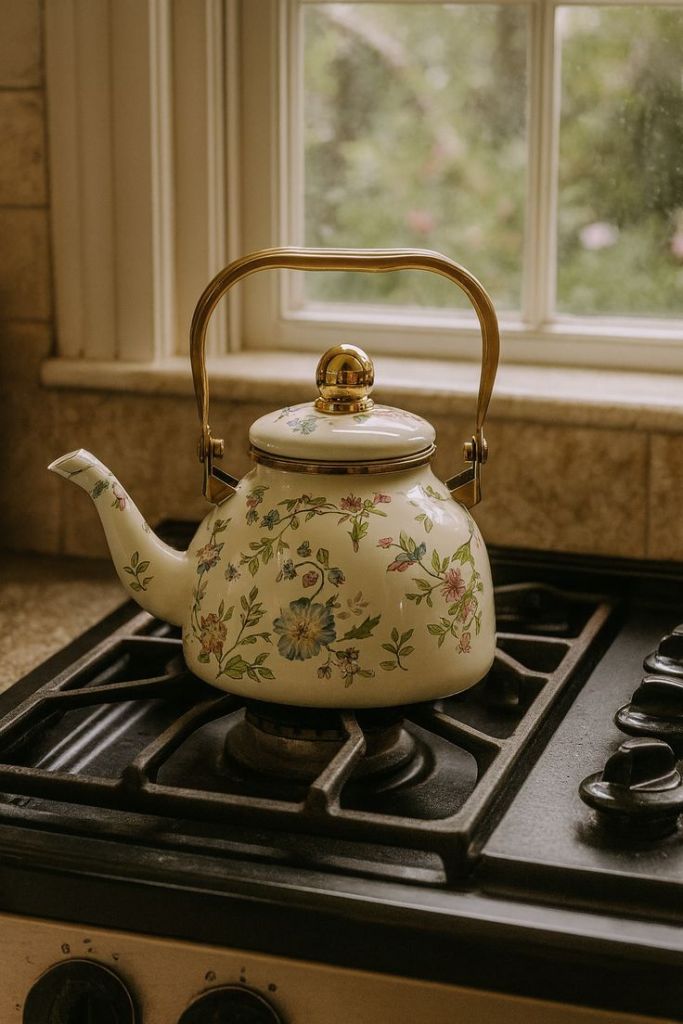
No water, no tea. It’s that simple.
Yet exhaustion is often worn like a badge in adulthood. You give because you can. You stay strong because it’s expected. You show up even when you’re running low. The truth is, we can’t be everything, everywhere, for everyone at all times. Instead of sacrificing parts of ourselves to keep up, we must learn when to turn the fire off.
Eventually, the kettle tells the truth.
Refilling yourself isn’t selfish—it’s survival.
Tea suggestion: Nettle or moringa tea — nutrient-rich and replenishing, often used to restore depleted bodies. Ideal for burnout seasons.
Messy Cups Still Serve a Purpose
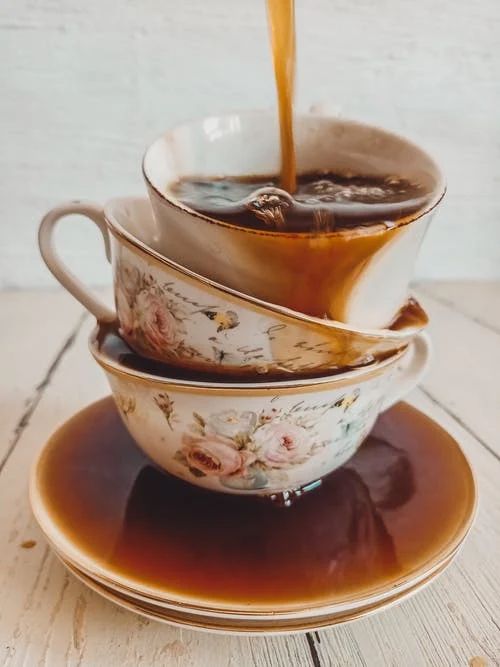
The mug with the crack still holds warmth. The stained cup still works. Beauty fades long before usefulness does.
So much of adulthood is learning that imperfection doesn’t disqualify you. You don’t need to be healed, polished, or fully figured out to matter. As the Jamaican saying goes, “tek yuh hand mek fashion.”
Life doesn’t require perfection, just presence.
Tea suggestion: Masala chai — bold, spiced, imperfectly blended. Different elements coming together to create something deeply satisfying.
Tea Is Often Shared, But Sometimes It’s Solitary

Some of the best cups of tea I’ve had were shared—with loved ones and with strangers. Not always the ‘so what’s been going on with you lately?’ kind of conversations, but moments of quiet connection. There are cups poured for friends, conversations that stretch into hours, and there are mugs held alone, mornings untouched by noise.
Both matter.
One of my favourite spots in Kingston is Lemongrass. I was introduced to it a few years ago by a friend who took me there for my birthday. Though my first visit was shared, it has since become a staple in my list of solo activities.
Adulthood teaches discernment when to lean in, when to retreat. Solitude isn’t loneliness when it’s chosen. It’s restoration.
Tea suggestions:
- Hibiscus tea — bright and social, perfect for shared moments
- White tea — delicate and quiet, ideal for reflective solitude
You Learn to Sit With Yourself
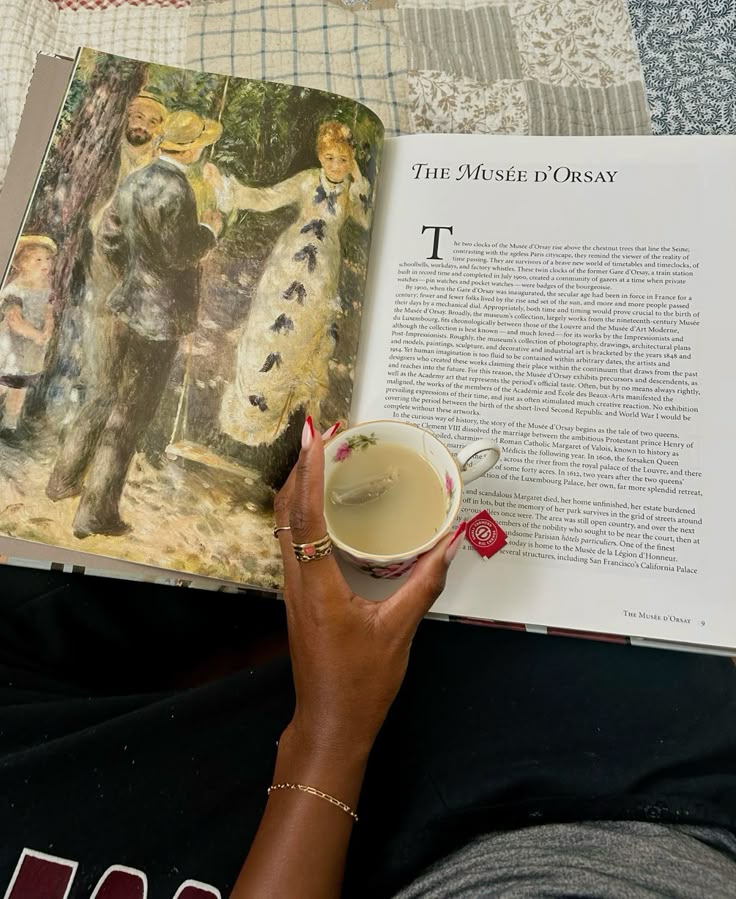
Tea invites stillness. You wait. You hold the cup. You sip slowly, because rushing ruins the experience.
In that pause, you learn how to be alone without feeling abandoned. You learn that your own company can be grounding. That silence doesn’t need to be filled.
The longer I drink tea, the less I rush to escape myself.
Tea suggestion: Jasmine tea — calming, fragrant, and meditative. A tea that lingers, much like self-awareness.
Where the Warmth Settles
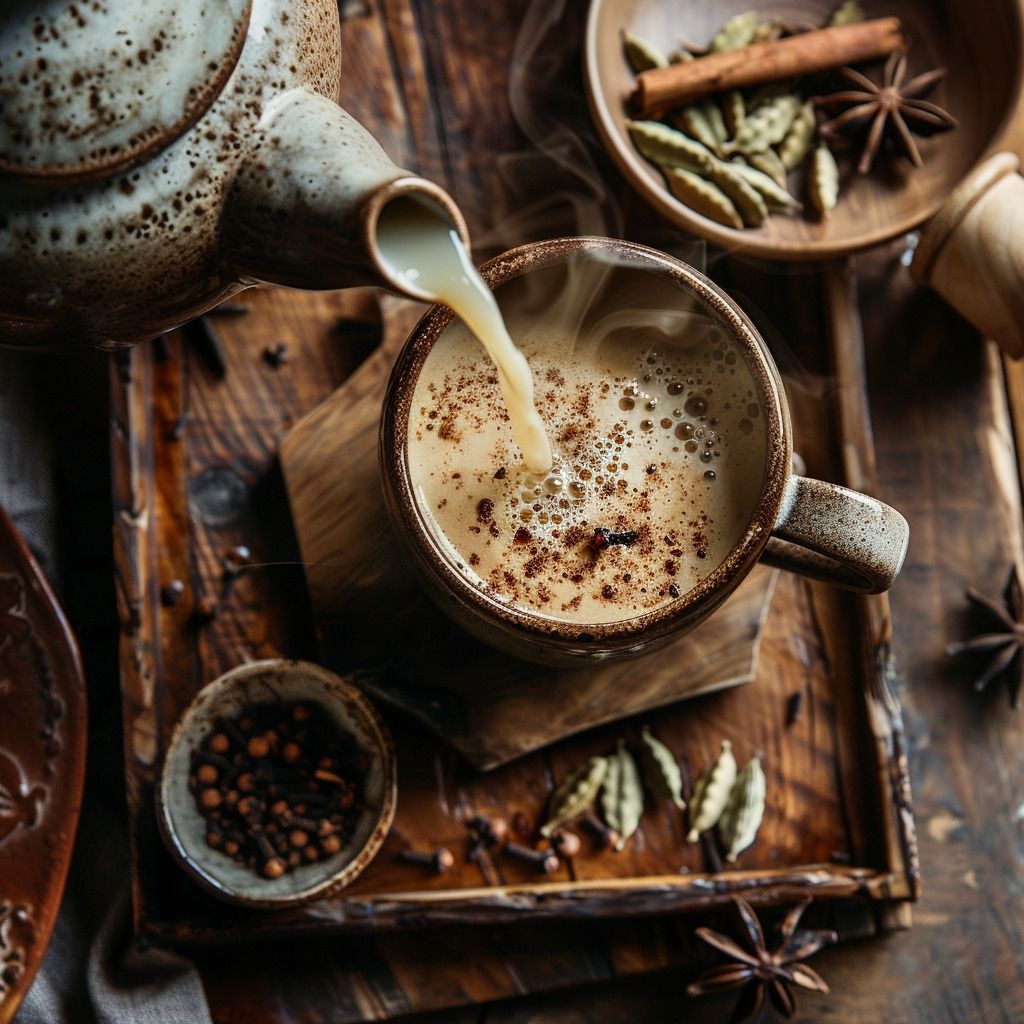
The longer I drink tea, the more I understand that life isn’t meant to be rushed, sweetened, or perfected all at once. Some seasons ask for heat, others for rest. Some cups are shared, others held quietly alone. And through it all, tea reminds me that presence is enough—that growth can be subtle, warmth can be the purpose, and learning to sit with yourself is a skill worth mastering. Maybe that’s the real lesson: not how to make the perfect cup, but how to stay long enough to feel it.
Are you a tea drinker? What’s your favourite and what stories does it tell you?
 The diary of a 20 something
Leave a comment