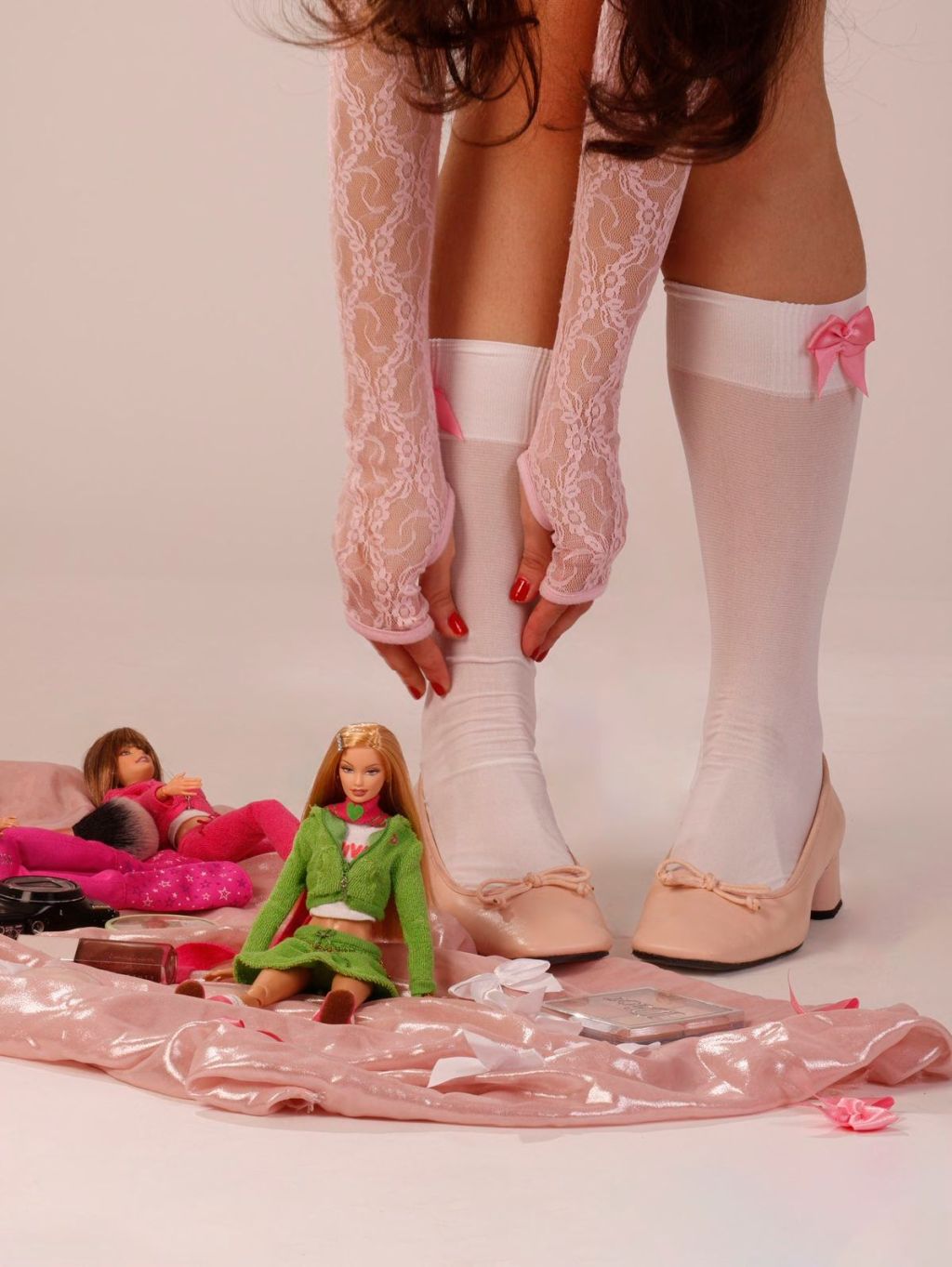
We live in a strange time: children are accused of growing up too quickly, while adults are applauded for never growing up at all.
Somewhere between “these kids are too fast” and “back in my day”, we created a convenient narrative — one where children are blamed for the very culture adults have built around them. At the same time, there is a growing realisation that many adults have shifted from child-like wonder to straight-up childish behaviour.
So what if the kids aren’t the problem? What if they’re just the mirror?
This may be supported by Tabula Rasa also known as the ‘Blank Slate Theory’ popularized by John Locke, which states that individuals are born without built-in mental content and that all knowledge comes from experience and perception. So are the kids just reflecting us?
We see it every day. Young girls are called “too mature” because of how they dress or how they develop physically. Boys are pushed into the frame of society’s ideas of masculinity before they even understand the bigger picture. Meanwhile, grown people joke that they cannot cook, communicate, regulate emotions, keep commitments, and function without someone else parenting them.
And somehow, we blame the children.
The Oversexualisation of Children

A child experimenting with style or copying trends from social media does not automatically carry adult sexual intent, this distinction matters.
Across the Caribbean, this conversation carries particular weight because culture is deeply tied to music, movement, fashion, celebration, and expression. Rhythm is part of life. Dance is communal. Confidence is celebrated. But there is a difference between cultural expression and adult projection.
How many times have we heard comments like:
“She fast.”
“She looks like a little woman.”
“Him a gyallis already.”
“That one’s going to be trouble.”
These statements are often dismissed as jokes or harmless talk. But language shapes thinking. When we repeatedly describe children in adult-coded ways, we normalise the idea that they should be seen through sexual or romantic lens.
Back in university, I did a course titled Media and Children Development where we discussed how children are portrayed in the media. While dissecting some Caribbean songs we grew up hearing, I was struck by how often children were referenced in sexualised ways, or how innocence and purity were turned into commodities.
Songs like Vybz Kartel’s Virginity and Small Axe by Bob Marley & The Wailers, which is often used to allude to younger men being sexually involved with older women, are just two of many examples where underage sexual relationships are romanticised.
And while there is evidence from a regional perspective, we cannot ignore how the global stage and pop culture reinforce the same ideas. Last year’s discourse around Sabrina Carpenter’s Lolita-inspired shoot is one example. There should be no shame in creative freedom and expression. However, I would be hypocritical if I ignored our responsibility to ensure we do not cause further harm to those who are most vulnerable.
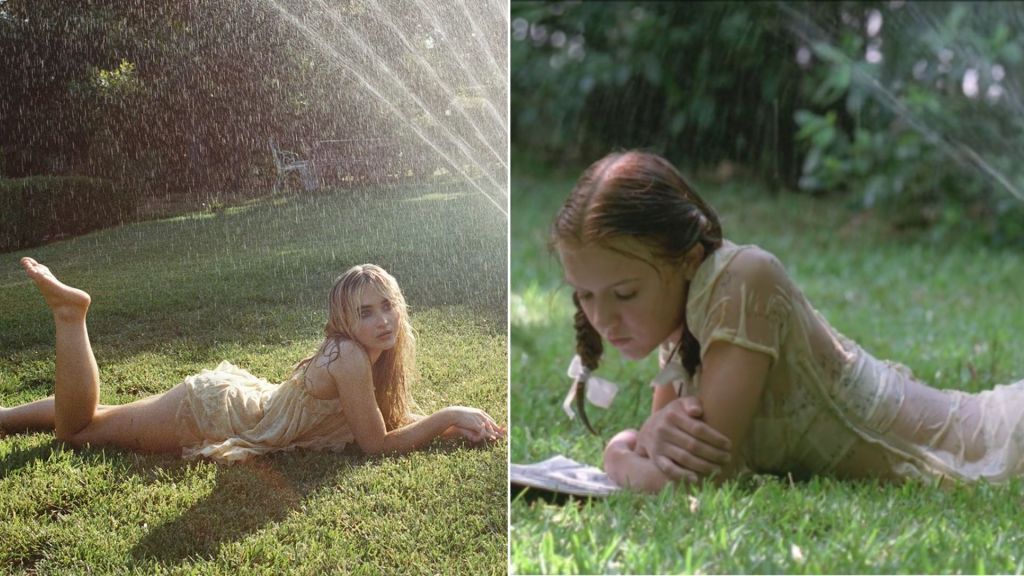
The uncomfortable truth is that there is a particular subset who sexualise child-like aesthetics and behaviours. Whether we like to admit it or not, that audience exists. That is why public presentation, media framing, and the messages we normalise deserve scrutiny. Last week CNN published an article exposing an online network (rape academy) of 62 million men encouraging each other to drug and assault their partners, and swap tips on how to get away with it; and sadly, while this looks at victims who are women, I can’t help but think how many of these men could also be classified as pedophiles.
The Global Machine
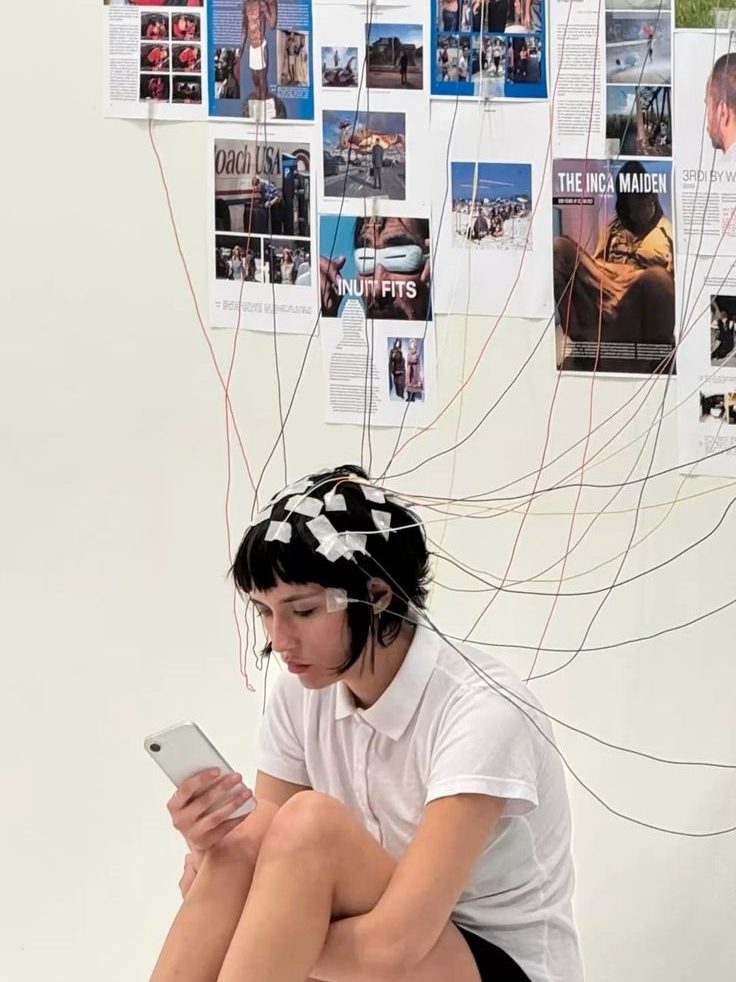
Globally, the issue has intensified.
Think about your favourite teen films as a child. How many of them not only had sex scenes, or the suggestion of them, but also showed these “teenagers” in little to no clothing? Watch them back — you may be surprised.
Romantic relationships, a key developmental task of adolescence, are heavily featured in media consumed by teens. Adolescents are often portrayed prioritising romance; talking about relationships, flirting, dating and even having sex. They depict love as immediate, skipping over the complexity of how relationships actually developed and even knowing their bodies.
A recent analysis of 53 coming-of-age films by Kate Stewart and Nicole Martins found that 81% included ideals such as “love at first sight” or “soulmates”. Relationship behaviours such as kissing, romantic touch, and dates were also frequent, with female-led films depicting these behaviours at higher rates than male-led ones.
What used to be “growing up later” is now being sold earlier.
The Cost of Growing Up Too Soon
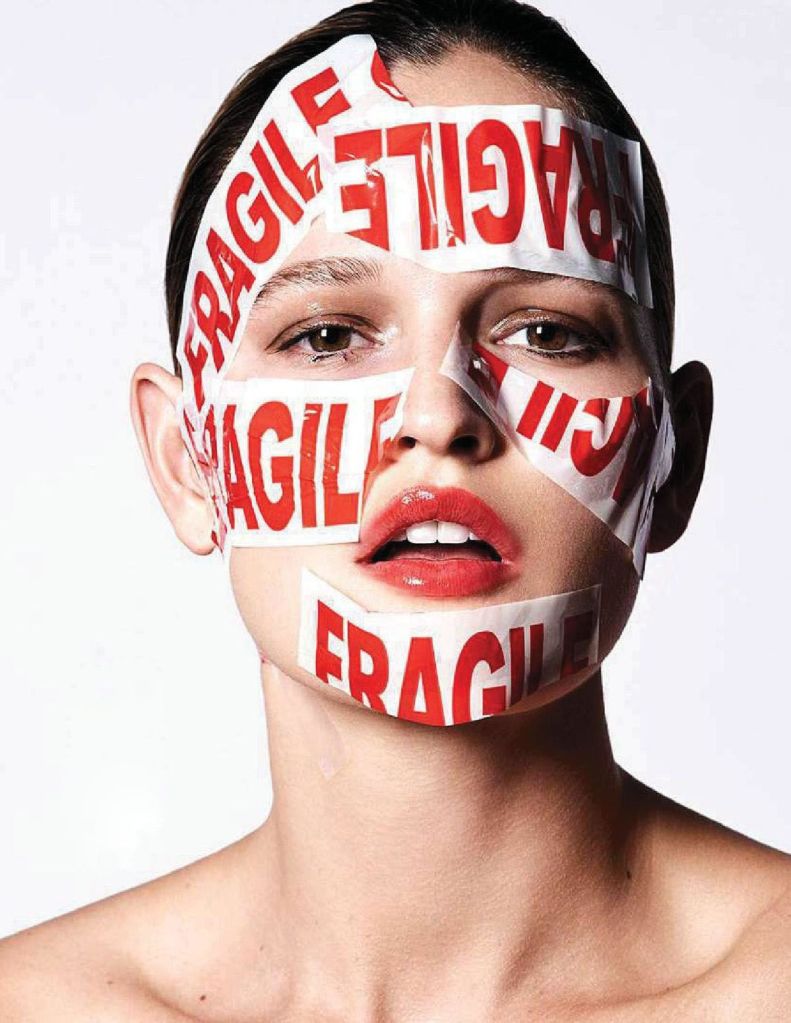
When children are pushed into adult expectations too soon, the damage runs deep.
They feel shame about normal development.
They become vulnerable to manipulation and grooming.
They lose the freedom to be awkward, playful, messy, and unfinished.
Social media has created an environment where children can become brands before they become people. Child influencers are styled, curated, and monetised. Currently in the Jamaican social space there is a discourse about a creator who has opted to remove content of her baby after persons started showing parasocial characteristics, and this is not to bash her- it is just further evidence that the internet is not a safe place for children and hasn’t been for a long time.
On another note, beauty culture has been targeting younger and younger audiences, pushing products and routines they do not even need at that age. I am seeing girls who have not even reached their twenties undergoing cosmetic procedures.
And on the flip side, anti-ageing and weight-loss products are marketed to adults so they can chase the fountain of youth. Even the “clean girl” aesthetic sometimes drifts into this territory. The language is shifting away from self-care and preservation towards never ageing at all.
We see it in celebrity culture: fillers, facelifts, Ozempic, and other GLP-1s sold not as medical tools, but as shortcuts to eternal youth. It is dystopian to imagine a world where a 16-year-old girl and a 60-year-old woman are expected to look physically interchangeable.
The Mirror We Blame
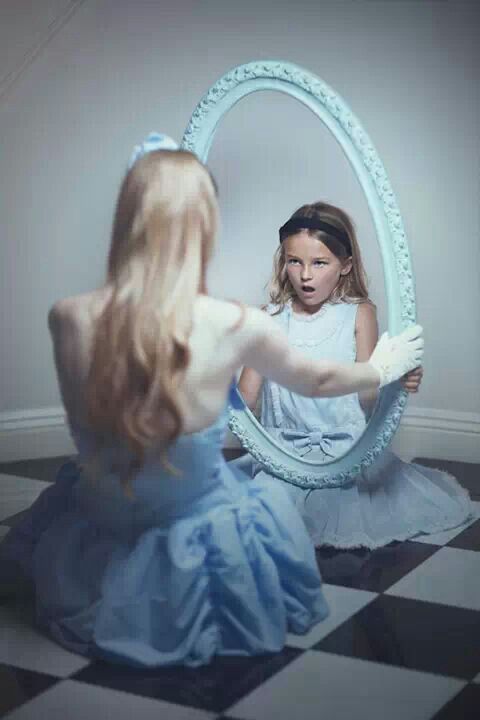
While children are being rushed forward, many adults are moving backward.
There is nothing wrong with adults liking cartoons, gaming, soft aesthetics, nostalgia, or youthful enjoyment. Joy is not immaturity. Fun is not failure.
But there is a difference between being playful and infantilising yourself.
Infantilisation is the act of adopting, encouraging, or rewarding helplessness, dependency, or child-like behaviour in ways that avoid responsibility, growth, or accountability.
We celebrate people who say:
“I don’t know how to clean.”
“That’s just the way I am.”
“I’m just bad at commitment.”
“I’m just a baby.”
This started out as humour and there are many instances where it still is. But for many, it has become their identity.
Across the Caribbean, we know the phrase: big woman body, likkle girl mindset or big man body, pickney behaviour. Some adults are grown in age but not in discipline, accountability, or emotional maturity.
A while back, someone showed me a picture of a little girl in a pumpkin skirt, fitted top, and a purse, then asked whether I would allow my child to dress like that. I was confused because nothing about it seemed inappropriate. Someone else said it looked “too grown”.
I had to point out that the outfit itself was age-appropriate. What had changed was perception. Some adult trends now borrow heavily from aesthetics once associated with girlhood: bows, ribbons, cheerleader-inspired outfits, ponytails, playful styling, and the “nerdy but make it sexy” look.
The discomfort was not about the child. It was about how adulthood has repackaged childhood imagery. And to note, this is not scrutiny when it comes to fashion, it’s truly just how it’s done; the intent and when outfits cross that very thin line.
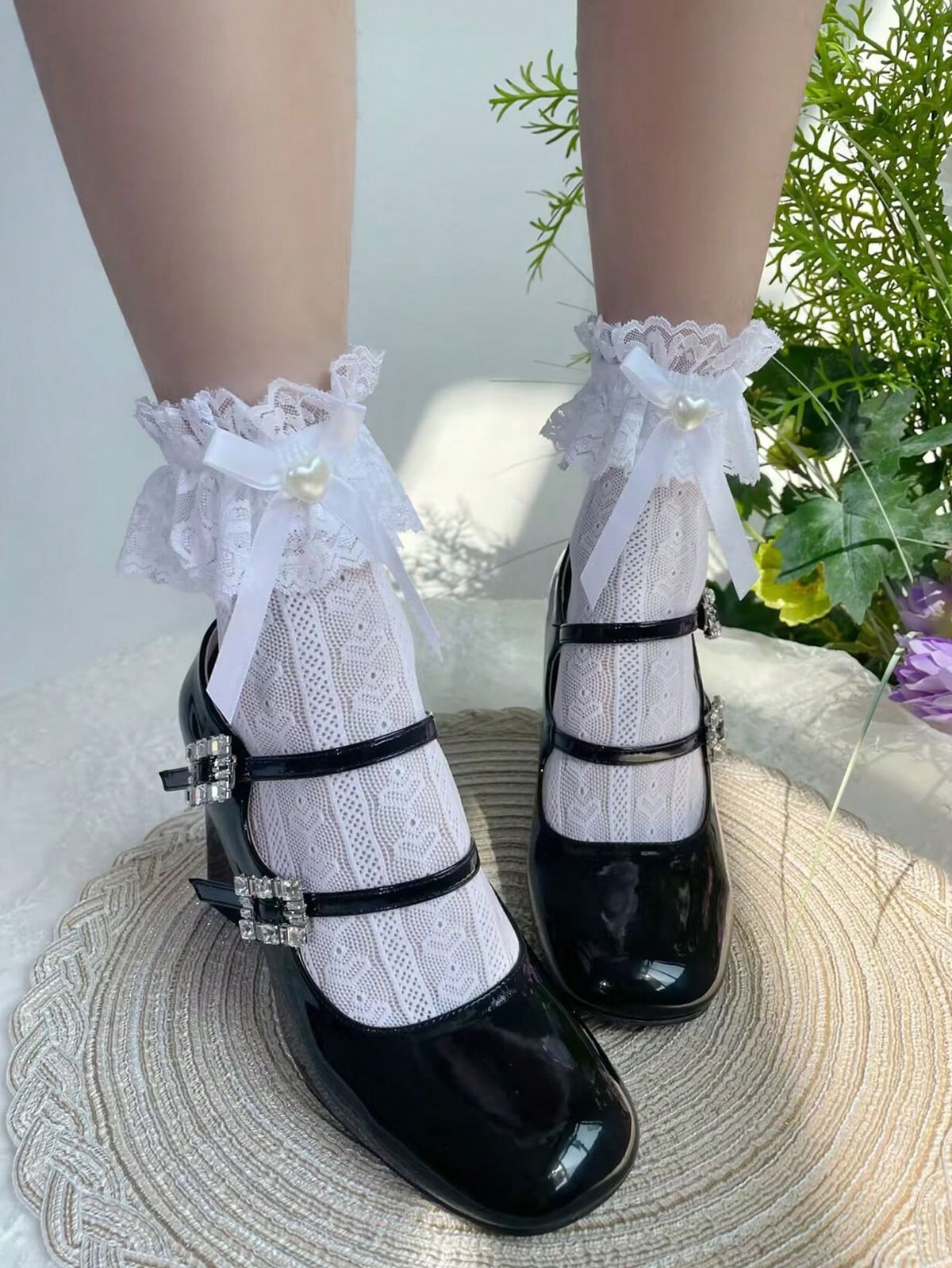
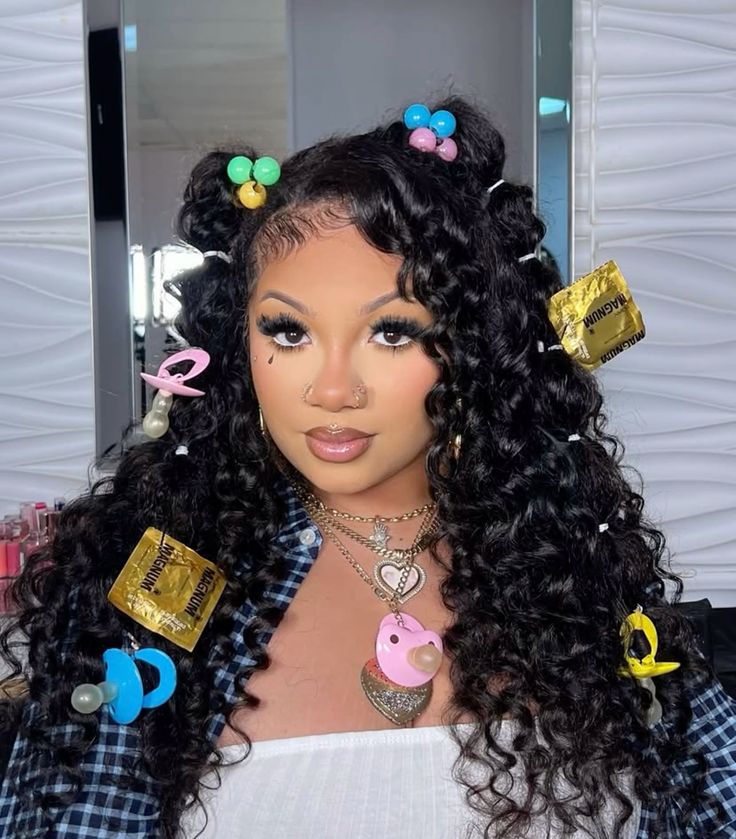
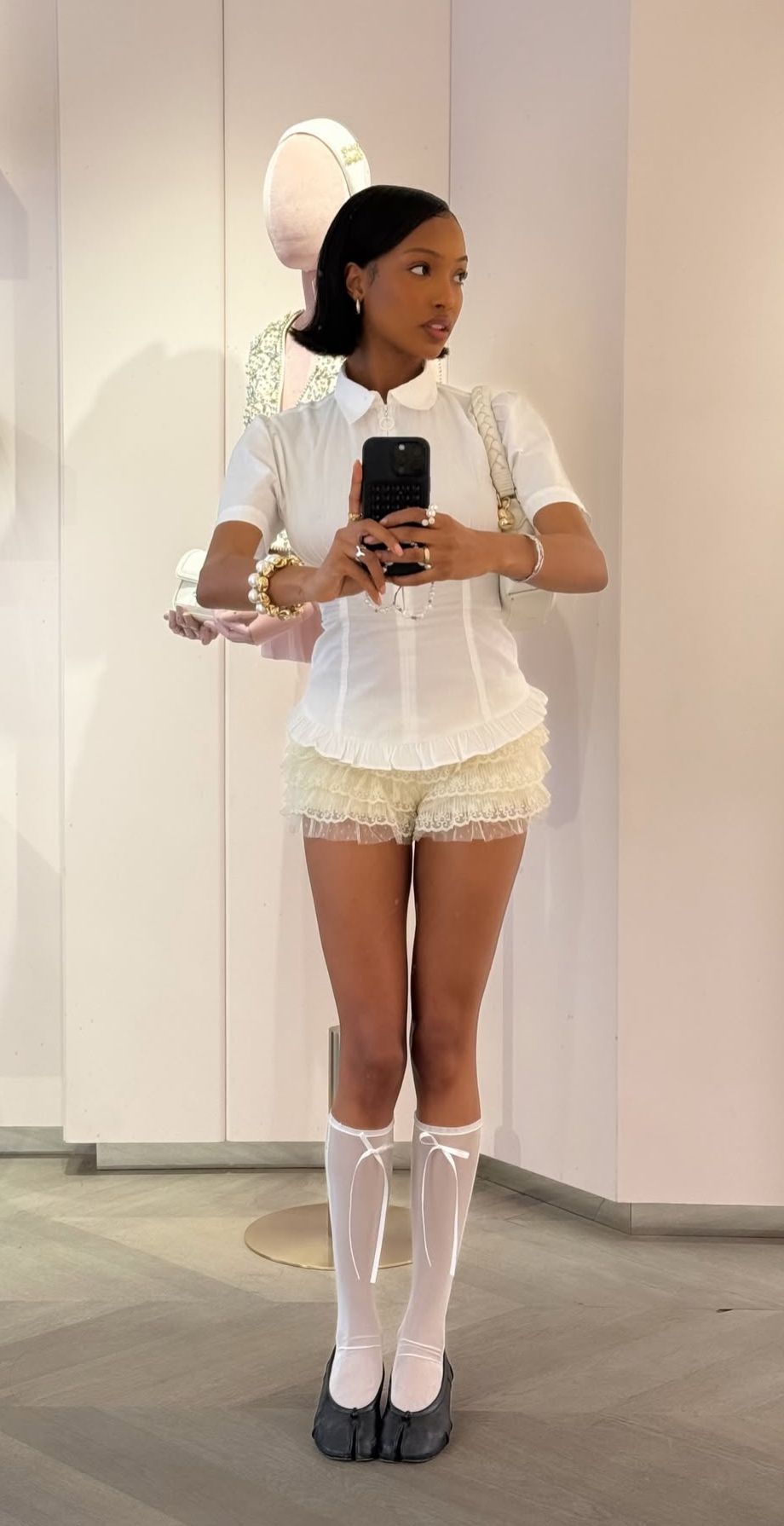
It is also important to note the contradiction where on one hand, women are expected to be grown, polished, and forward-thinking. On the other, there is this expectation for us to appear smaller, softer, younger, quieter, and more dependent. The push of what some consider purity culture where grown women aren’t expected to be publicly sexually expressive, yet still being “freaks in the sheet”.
At some point, we have to admit that more is at play here. This is why women who constantly reference being short or ‘small’ in a way that makes them seem incapable or a damsel in distress, and the men who fetishise this, bother me so much.
Innocent or Intentional?
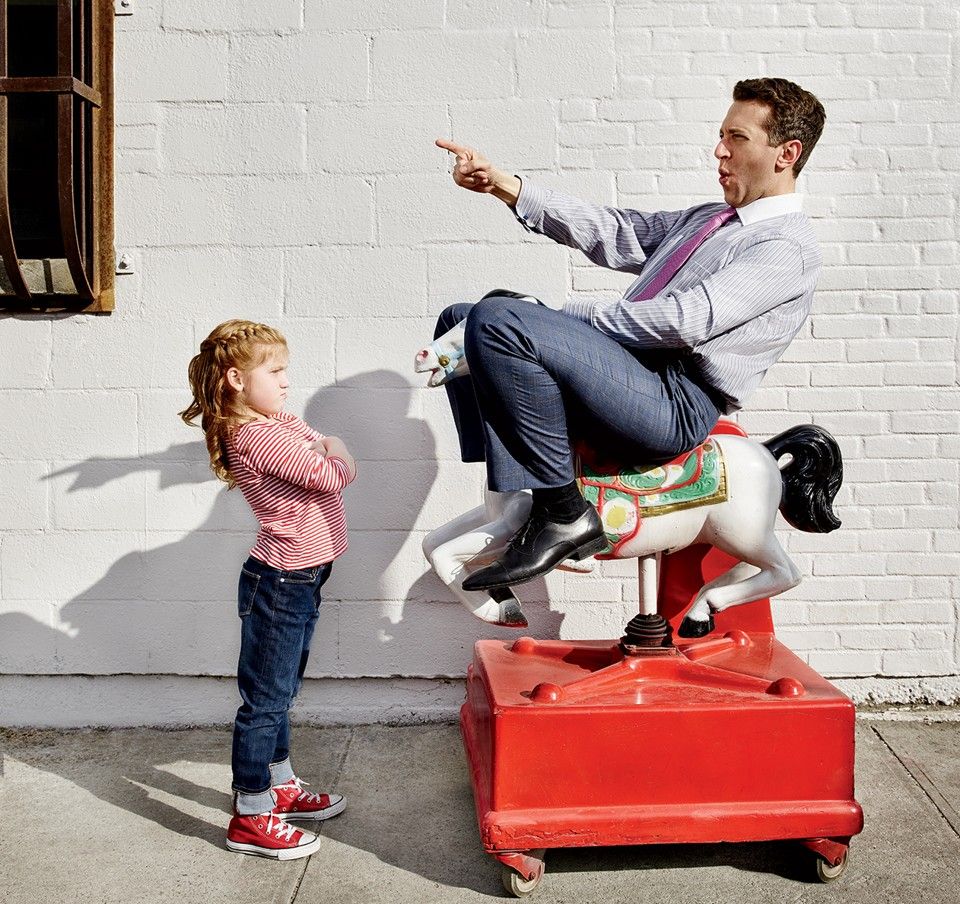
Men are excused for not knowing basic household tasks. The kids call it weaponised incompetence.
While ageing itself is treated like failure, we fail to embrace what maturity can actually offer: depth, confidence, wisdom, self-awareness, and stability.
Yes, there are nuances. Not all infantilisation stems from malicious intent.
Some people were overprotected and never taught life skills.
Some were raised in environments where emotional growth was ignored.
Some carry trauma that delayed development.
Some are responding to economic realities that make independence harder than it was for previous generations.
Some are not regressing at all — they are healing.
Many children were forced to grow up quickly. Those children are today’s adults, and some are simply trying to reclaim the wonder they missed. Others are trying to catch up on a childhood they never had.
That deserves compassion. But compassion should not blur accountability.
In the same breath, there is some truth that there are many kids who are way ahead of their time, some who geniunely act older than they are. So some of the responsiblilty is still on parents to ensure they monitor what their kids watch and listen to. Setting the foundation at home and starting that conversation regarding the realities that come with aging and maturing- because while other institutions in society are responsible for different forms of soclialisation, they simply can not be the baseline for teaching.
What Needs to Change
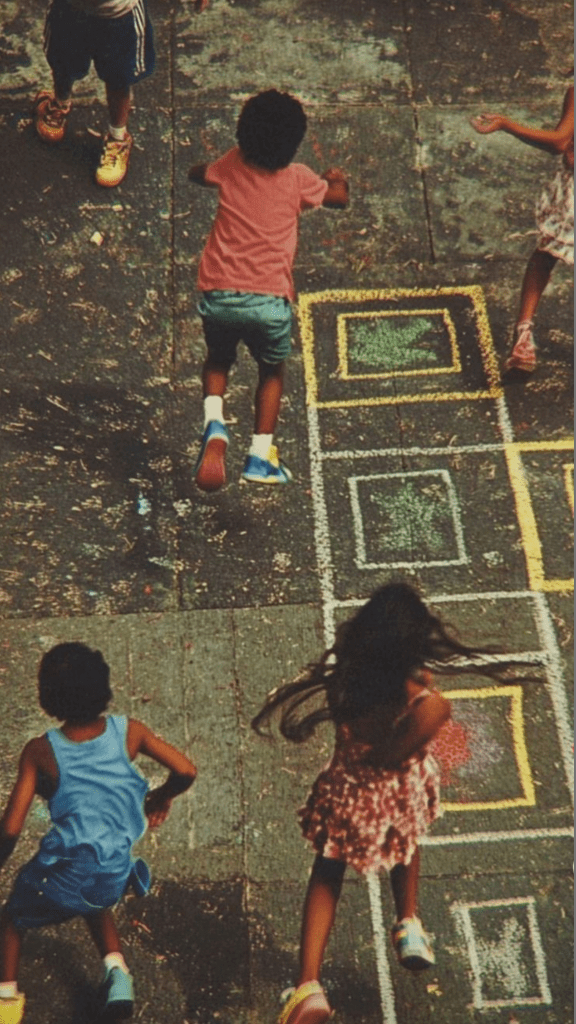
We need to protect childhood.
Let children be awkward. Let them experiment. Let them be silly. Let them grow without being sexualised, commodified, or blamed for the projections of adults.
And we need to redefine adulthood.
Adulthood is not paying bills alone. It is not looking serious. It is not reaching a certain birthday. It is accountability, learning emotional regulation, care for self and others, it is responsibility with room for joy.
You can be playful and still be grown, soft and still be mature, heal and still be accountable. But we cannot keep calling children “too grown” while rewarding adults for staying emotionally unformed.
Children shouldn’t be burdened early with their bodies discussed, personalities stunted and somehow manage the reactions of others to their existence.
This conversation is overdue.
How has culture shaped the way you think now as an adult? What are some things you think were normalized?


Leave a Reply