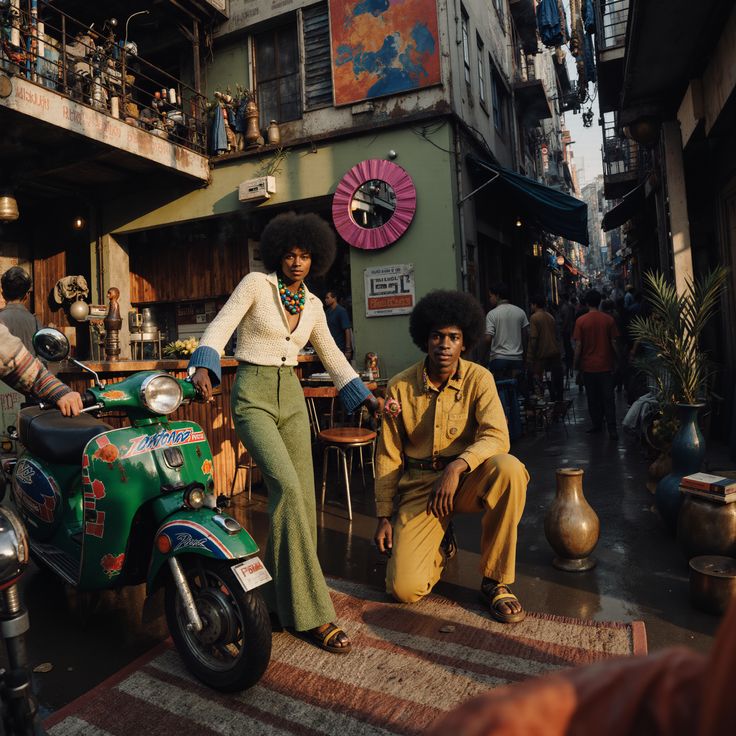
Fashion was once a conversation. Now, it increasingly feels like an instruction manual.
For decades, fashion functioned as a cultural language. It told stories about who we were, where we came from, what we valued, and what communities shaped us. Long before social media and personal brands, our clothes communicated identity. They spoke on our behalf.
Today, fashion feels less like a language of self-expression and more like a system of compliance. Social media algorithms, influencer culture, aesthetic branding, and fast fashion have narrowed individuality into a handful of highly marketable looks. Everywhere we turn, there seems to be a new blueprint for how we’re supposed to dress, look, and present ourselves.
Fashion has always been influenced by culture. Trends have always existed. People have always borrowed from one another. However it feels less creative and more prescriptive.
Instead of asking, “Who are you?” modern fashion often asks, “Which aesthetic are you?” Those are not the same question.
When Fashion Told Stories
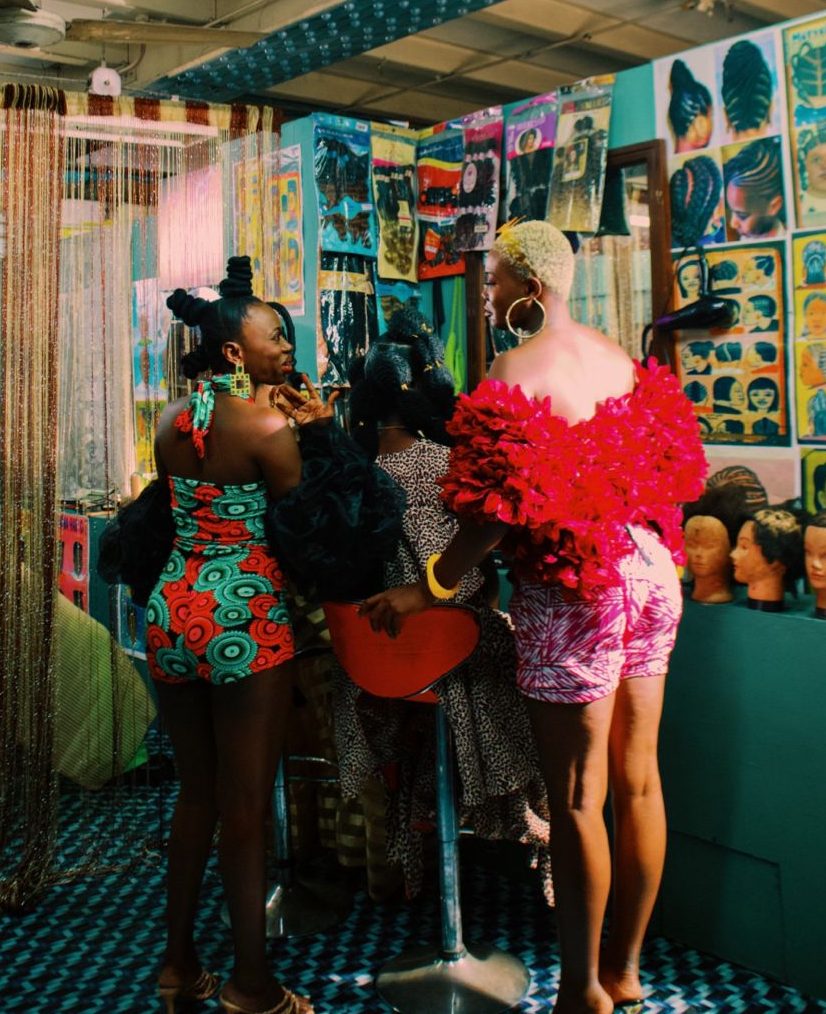
Growing up in Jamaica, fashion wasn’t just about clothes. It was identity.
What sparked this reflection was a TikTok video showing footage from an early 2000s dancehall party. I found myself captivated by the variety of styles on display. The outfits felt intentional. The hairstyles had personality. The make-up told its own stories.
Everyone looked different; more importantly, everyone seemed comfortable looking different. Watching that footage, I found myself asking a simple question: What happened?
When I was younger, you could often tell what circles someone moved in, what music they listened to, what inspired them, and sometimes even what part of the island they came from simply by how they dressed.
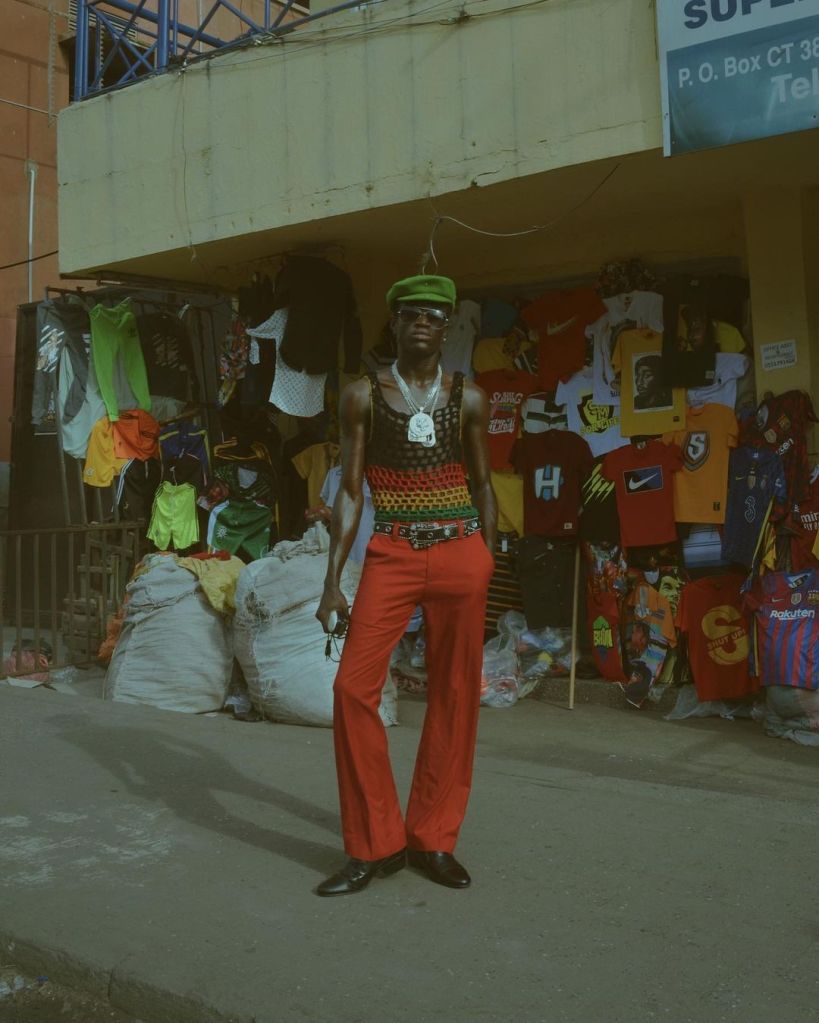
The Caribbean has always possessed a rich visual culture. Our people understand colour, texture, tailoring, accessories, and presentation. From carefully curated Sunday-best church outfits to elaborate Carnival costumes, fashion has long been one of the ways we communicate with one another.
In The Language of Dress: Resistance and Accomodation in Jamaica, 1760-1890, by Steeve O. Buckridge, he noted that dress (in this context, clothes) in any culture both adorns and protects the body. However clothes he believed is political, in that it brings people together and also put them in conflict with others. From a regional standpoint, one may argue that as we developed our own style in the Caribbean; aesthetics was not the only goal, but it doubled as an act of resistance- take for example Rastafarianism; their garments and adornments told many stories.
Buckridge also shared that humans in every society develop ways of designing and fabricating clothes out of materials available in their environments. These clothes are often used to modify the individuals body in ways that indentifies them with, or distinguish them from others. And even then, artistic expression in culture isn’t always the same, because it is open to interpretation.
This can be seen in the way our music movements carried their own visual identities through the ages.
The sharp tailoring of ska culture with the “bell foot pants”. The flamboyance of Dancehall. Clarks that became an iconic cultural symbol. These weren’t simply fashion choices; they were expressions of belonging, creativity, and cultural pride.
Fashion wasn’t about fitting into a singular aesthetic, It was about interpretation. Two people could wear the same outfit and somehow make it entirely their own. That was the beauty of it.
Dancehall Understood the Power of Standing Out
If there is one thing dancehall culture understood, it was the value of individuality. Dancehall wasn’t simply a music genre. It was a fashion movement. The culture celebrated experimentation, confidence, excess, and self-expression. Loud colours. Custom pieces. Bold hairstyles. Statement accessories.
Looking “extra” wasn’t a criticism, it was often the goal.
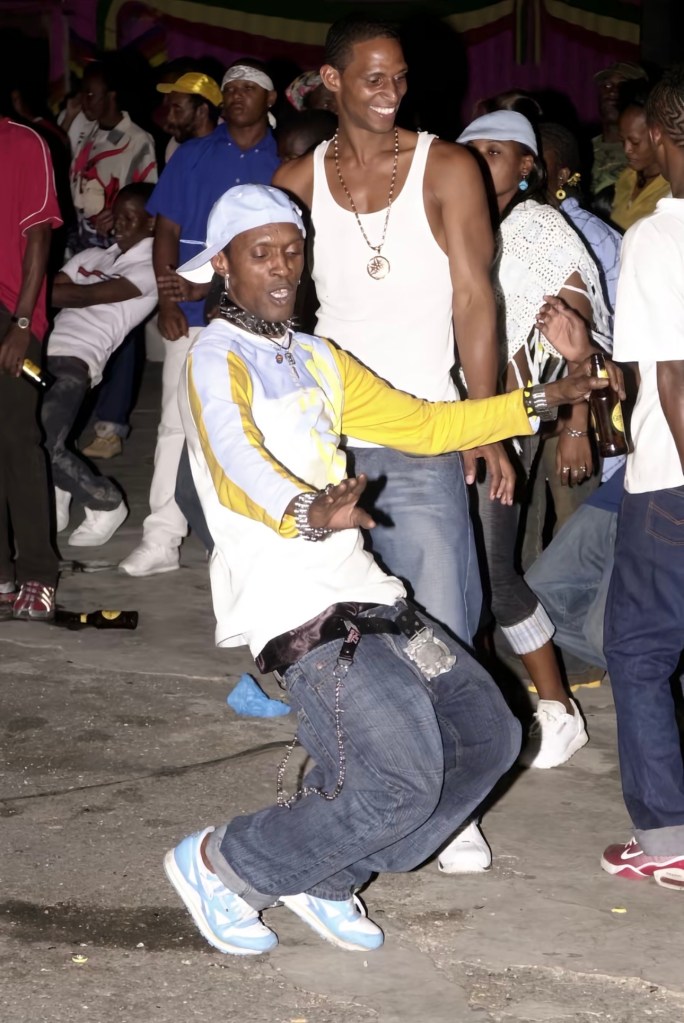
One figure who perfectly embodied this spirit was Gerald “Bogle” Levy, better known as Mr Wacky. While he is celebrated for creating some of Jamaica’s most influential dance moves, his impact extended far beyond dance.
Bogle challenged ideas of how Jamaican men were expected to present themselves. His fashion choices were bold, unconventional, and often ahead of their time. Looking back, it’s hard not to recognise him as one of the earliest examples of alternative self-expression within mainstream Jamaican culture.
Many of fashion’s most influential figures weren’t trying to fit in. They became influential precisely because they were willing to stand out.
Perhaps that’s why I find it encouraging to see a new generation of Jamaican creatives embracing individuality again. The RushCam who shows that men’s fashion can be fun and still clean, Annaixe who has shown that even the most unassuming materials can make statement pieces, and a young and impressionable Ghaneil who is unapologetic with the way she layers her clothes and does her makeup. Despite facing criticism online, many young people continue to experiment with fashion, challenge expectations, and develop styles that feel authentically their own.
That willingness to be different is what keeps culture alive.
The Rise of the Algorithm Aesthetic
Somewhere along the way, style became less about expression and more about categorisation. Today we’re constantly being sorted into aesthetic boxes to unbox our “personalities”: Old Money, Clean Girl. Quiet Luxury, Beige Mom- you name it.
Every few months, a new aesthetic arrives complete with Pinterest boards, shopping lists, influencer tutorials, and product recommendations. What makes this different from how fashion trends developed in the past, is how comprehensive these aesthetics have become.
They’re no longer simply suggesting what to wear; they’re suggesting how to live, what to drink, what furniture to buy and what your personality should look like online. All a part of the capitalism cycle (yes this is one dead horse, I’ll never get tired of beating).
Ali Mazrui (1999) in the “Globalization and Cross-Cultural Values: The Politics of Identity and Judgment” an Arab study describes, where globalisation has two components; homogenisation and hegemonisation. With homogenisation, one sees the world becoming more alike in dress, language, economic structures and communication, but, he also argues that these tendencies concentrate power in specific centres. Western cultural patterns have been homogenising the rest of the world, while at the same time there is the influence of capitalism and communication controlled by the USA, and some Asian and European cities.
Historically, clothing helped people communicate with the communities around them. Today, many outfits are designed with a different audience in mind: the camera, with one major goal, to sell you something. This shift has changed not just fashion, but has directly impacted culture.
When Everyone Shops from the Same Places
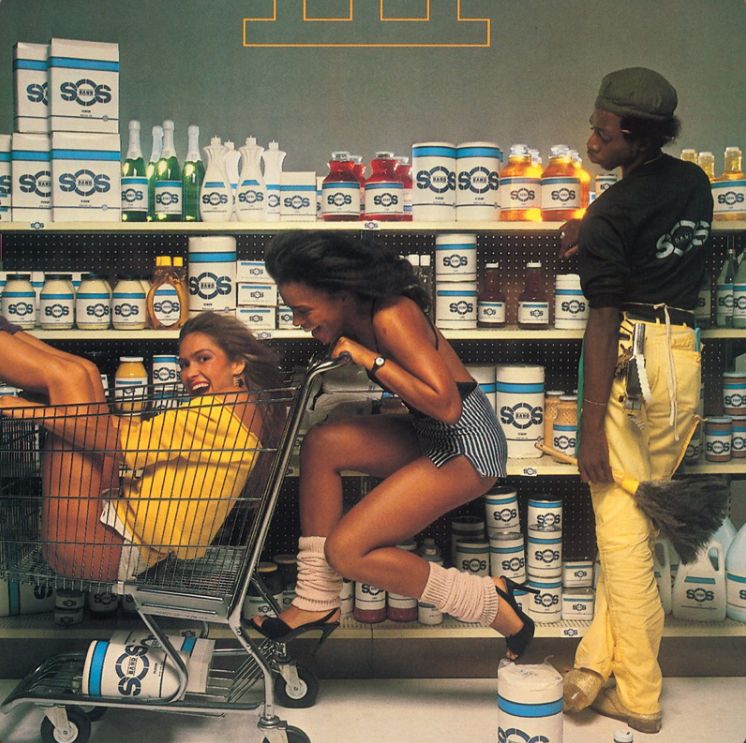
Fast fashion has only accelerated this trend. The moment something becomes popular online, it is replicated, mass-produced, and distributed globally within weeks.
What was once unique quickly becomes accessible to everyone and what was once experimental becomes standardised. The result is a fashion landscape where millions of people draw inspiration from the same platforms, purchase from the same retailers, and recreate the same looks.
Ironically, we have never had more access to fashion, yet personal style often feels less distinct. Regional fashion identities that once developed naturally within communities are increasingly competing with global trends generated by algorithms.
Kingston begins looking like London.
London begins looking like Los Angeles.
And everyone begins looking the same on Instagram.
We’ve become visually oversaturated while somehow becoming less visually interesting.
Why Is Everyone Afraid of Colour?
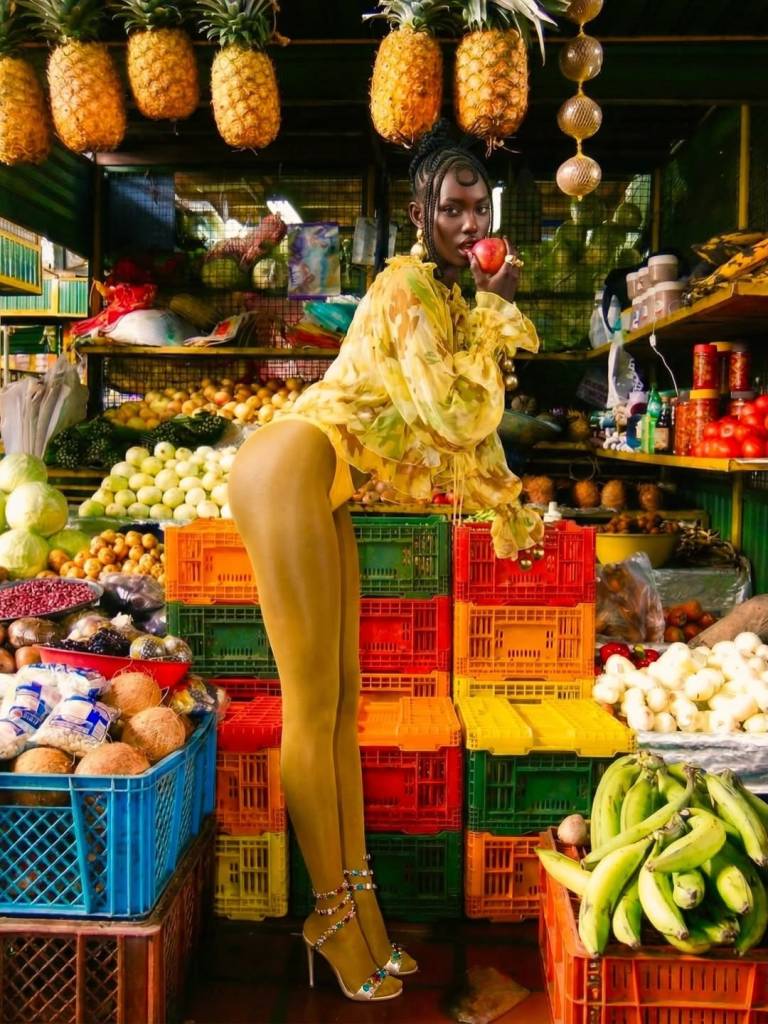
One of the most fascinating developments in contemporary fashion is the growing belief that sophistication must be neutral. Somehow we’ve been convinced that elegance exists almost exclusively in beige, cream, black, white, and taupe.
Now, there is absolutely nothing wrong with neutral colours, the issue is when neutrality becomes the standard by which all other forms of expression are judged.
Perhaps our obsession with muted palettes is another symptom of conformity. For Caribbean people, this shift feels particularly strange; we come from cultures rich with colour.
Our landscapes are colourful, our celebrations are colourful, our art is colourful, our music is colourful.
Why then are we increasingly being told that refinement requires us to mute ourselves?
Who decided that sophistication and self-expression couldn’t coexist?
The Problem with Trend-Based Identity
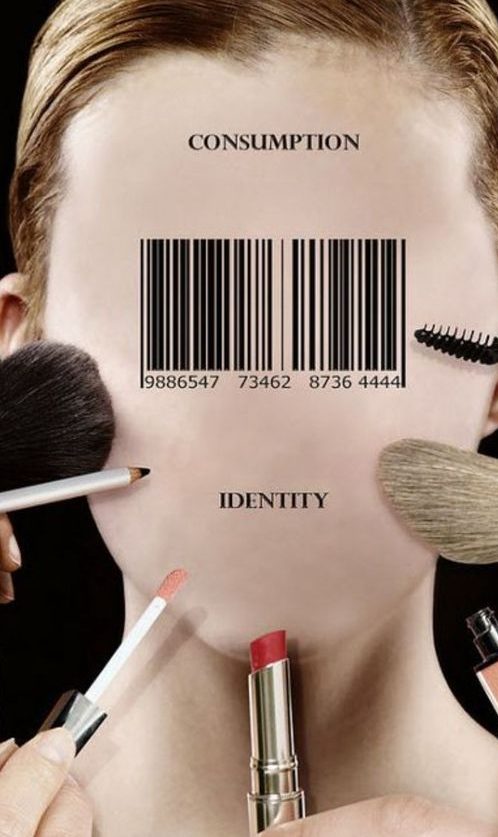
Another challenge with contemporary fashion is how closely it has become tied to changing beauty standards.
Over the years, different body types have been positioned as the ideal. Fashion trends often adapt accordingly, creating the illusion that self-expression must constantly evolve to match whatever aesthetic is currently popular.
The problem is that if trends become the foundation of your identity, you’ll always feel like you’re searching for yourself. This is because the standard keeps changing, which means the goalpost for acceptance keeps moving.
If we should look at fashion as a language, I believe it walks hand-in-hand with how we show up in society, and this is not to insinuate that someone’s clothes is who they are, however the bravery to dress for one’s own comfort and liking is usually a telling tale of what is happening on the inside. The language of fashion carries with it the pattern of thinking that translates into the culture of which it is a part of. It is for this reason that Frantz Fanon in his 1986 book “Black Skin, White Masks” argues that “A man who has a language consequently possesses the world expressed and implied by that language”. So in the context of fashion; it is not just a tool for communication, but the very framework through which we perceive, interpret, and interact with reality
And so I believe fashion should support identity, not replace it.
The Whitewashing of Fashion Trends
Another uncomfortable reality of modern fashion is how often trends gain mainstream acceptance only after being separated from the communities that created them.
Fashion has always borrowed from different cultures. Cultural exchange is nothing new. The issue arises when styles that were once criticised, ridiculed, or considered unprofessional suddenly become fashionable after being repackaged and presented through a different lens.
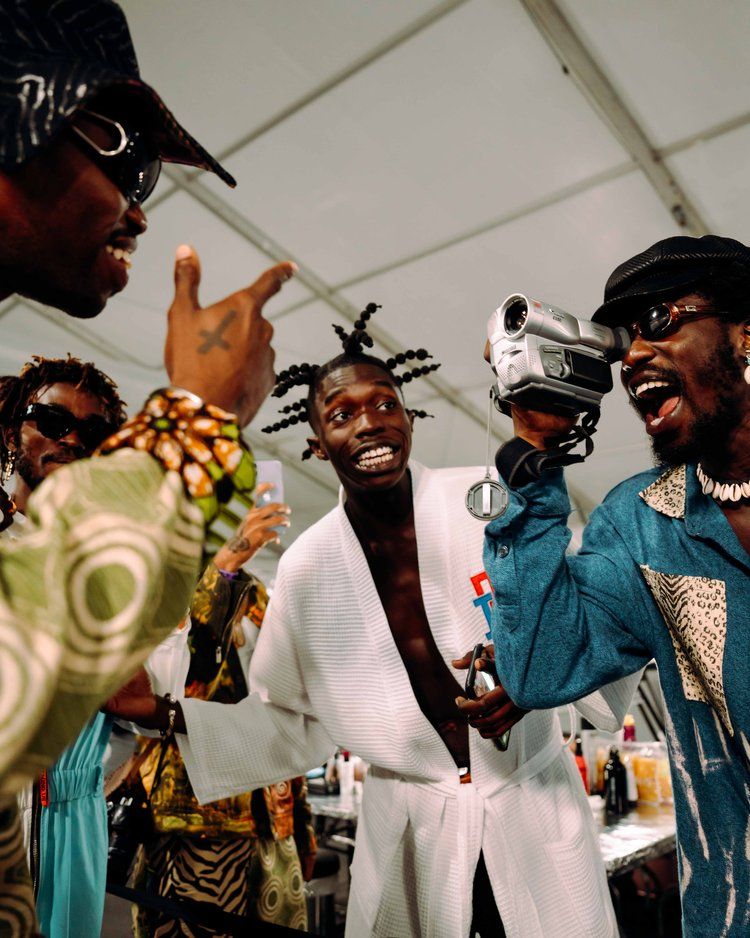
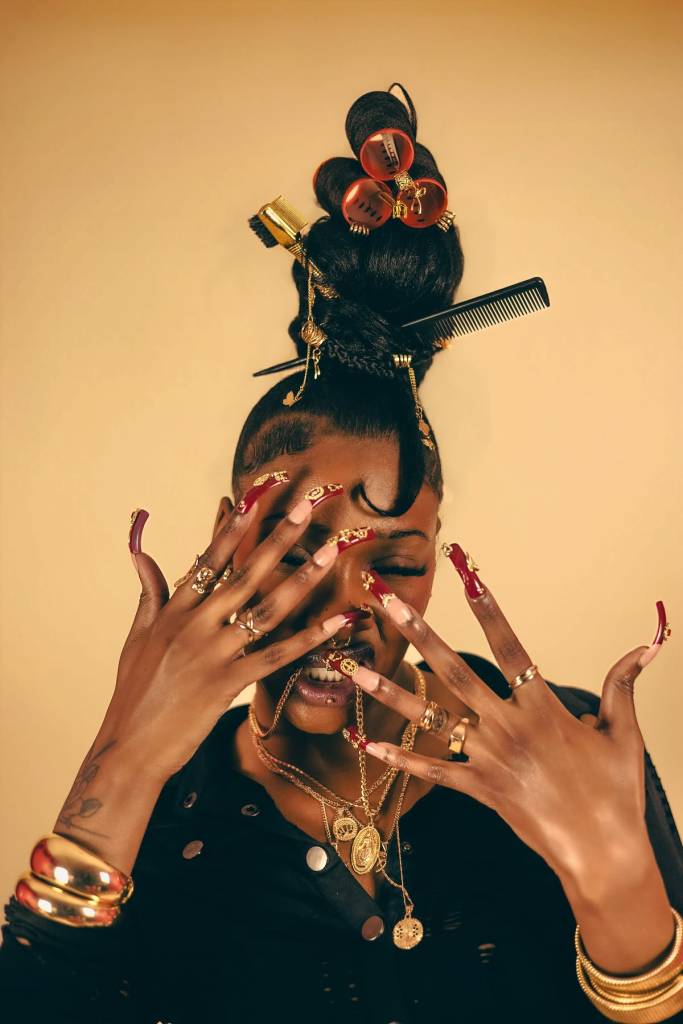
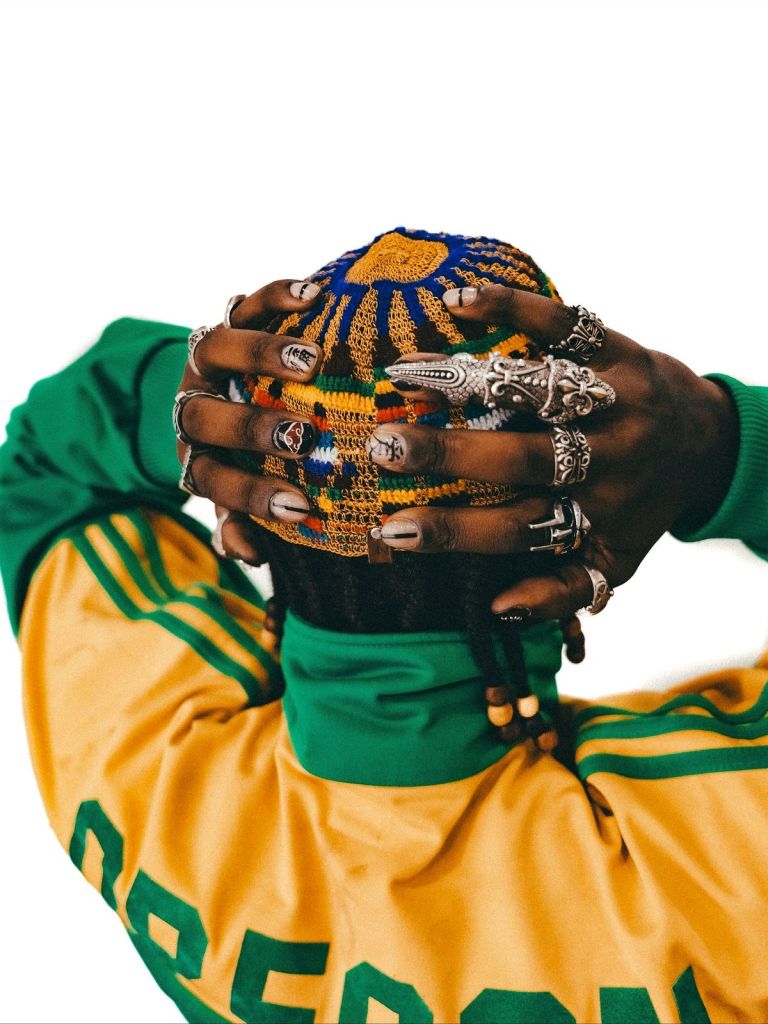
Black and Caribbean communities have experienced this cycle repeatedly.
Styles, accessories, hairstyles, and aesthetics that have existed within our communities for decades are often renamed, rebranded, and reintroduced as fresh discoveries. Suddenly, what was once considered “too loud”, “too urban”, or “too much” becomes aspirational when it appears on a runway, an influencer, or a celebrity with greater cultural acceptance.
We’ve seen it happen with everything from bamboo earrings and oversized hoops to long acrylic nails, gold jewellery, slicked-back hairstyles, and braided looks. Trends that have long been part of Black and Caribbean identity are frequently detached from their origins and marketed as something entirely new.
Social media has only accelerated the process. Take for example the recent Painted by Esther and Patrick Ta controversy.
A style can exist within a community for years, but it often isn’t considered fashionable until someone with greater visibility introduces and more often with a whole new name. Sometimes, people discover aspects of our culture through trend forecasts before they ever acknowledge the communities that inspired them.
The irony is that many of us are taught to question our own cultural expressions until they receive mainstream approval. We wait for validation from fashion houses, celebrities, or influencers before embracing things that have always belonged to us.
Fashion trends may come and go, but culture is where they begin.
You Were Always the Prototype
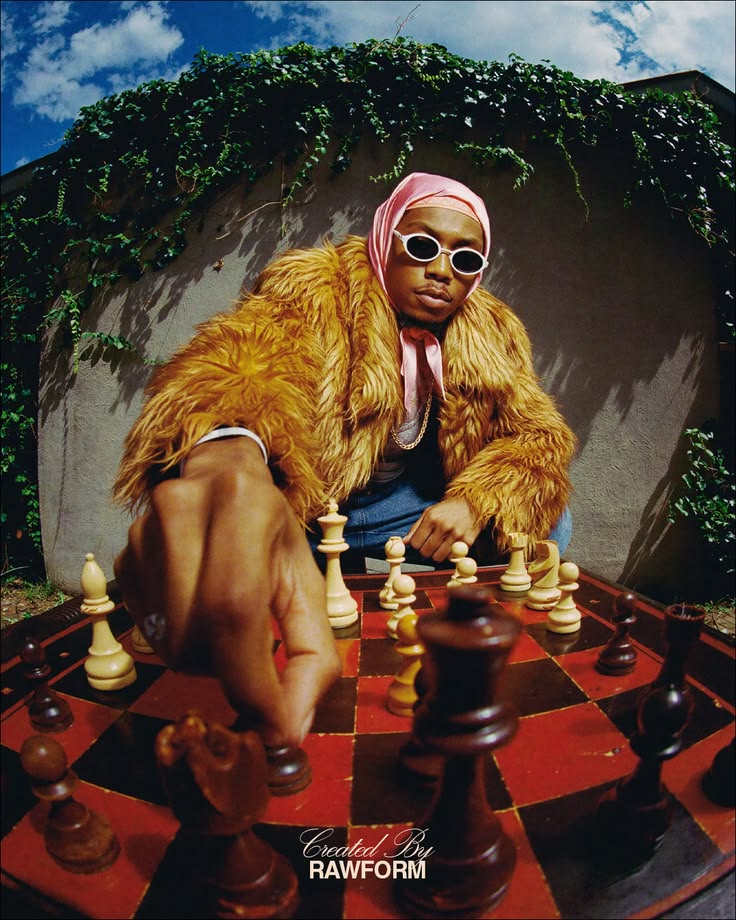
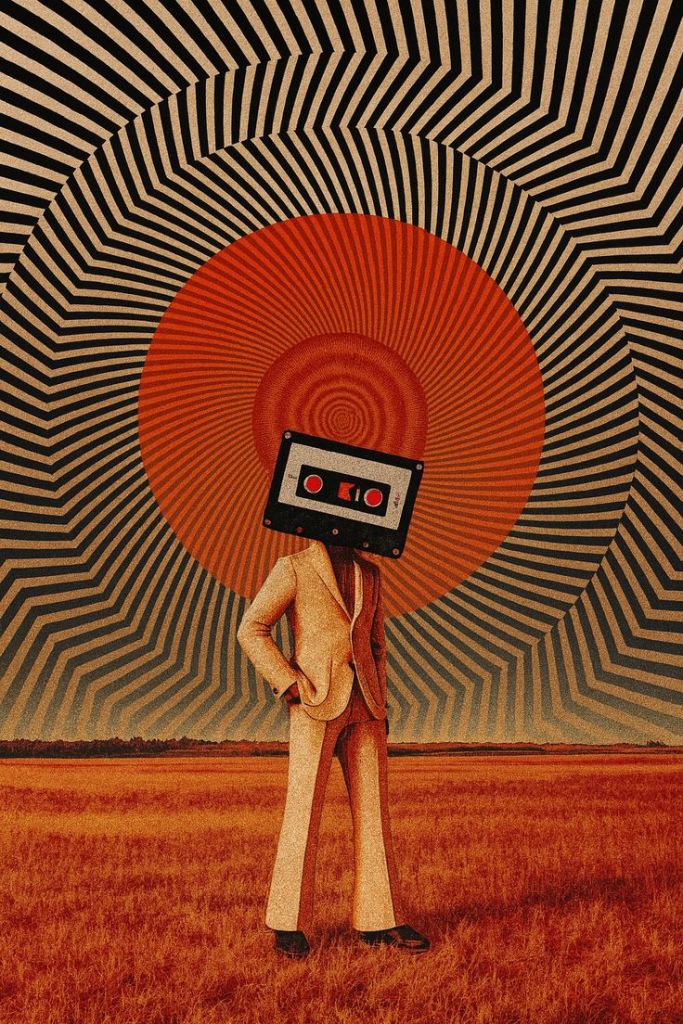
The irony of trend culture is that every trend begins with someone doing something different. Fashion’s greatest innovators weren’t following algorithms. They were creating references. They weren’t asking for permission.
Perhaps the most concerning consequence of all this is how many people no longer trust their own taste.
Why are we abandoning styles we genuinely love simply because they’re no longer trending?
Why are we waiting for validation before embracing what naturally resonates with us?
Fashion should never be an obedience test- wear the bright colours, put on the loud earrings, mix patterns and experiment. Fashion was never meant to make us identical, it was meant to make us visible.
The truth is, you don’t need a celebrity, influencer, trend forecast, or mood board to validate your taste. You don’t need permission to be creative, and you certainly don’t need approval to be expressive.
Because long before the algorithm arrived, long before aesthetics became products, and long before social media started selling us our identities, you already had something far more valuable:
Your own point of view, perhaps it’s time we started dressing like it.
After all, you were always the prototype.
Has clothes played a cultural role in your life? If so, how has it shaped you?
 The diary of a 20 something
Leave a comment